


Electric Bike Buying Guide: Classes, Motors & Range Explained

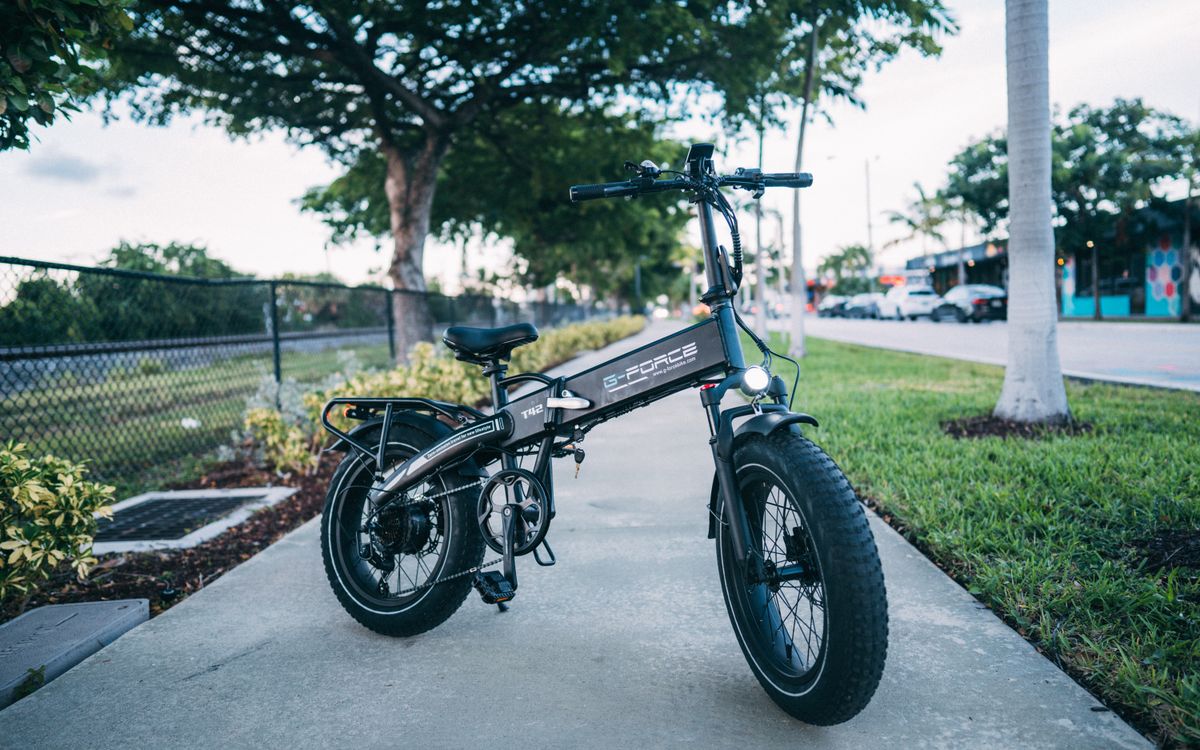
Electric bikes have exploded in popularity — and for good reason. They flatten hills, shorten commutes, and make riding fun for people who haven’t touched a bike in years. But specs like watts, volts, and amp-hours can be confusing. Here’s a plain-English guide to choosing your first e-bike.
The Three Classes of E-Bikes
- Class 1: Pedal-assist only, up to 20 mph. Allowed on most bike paths.
- Class 2: Pedal-assist plus a throttle, up to 20 mph. Ride without pedaling when you want.
- Class 3: Pedal-assist up to 28 mph. Faster commutes, but restricted on some trails.
Check your local rules — class restrictions vary by state and by trail system. Note that off-road electric mini bikes and dirt-style e-bikes are for private property and off-road use, not public streets.
Motor Power: How Many Watts Do You Need?
- 250–500W: Flat commutes and casual neighborhood rides.
- 500–750W: The sweet spot for hills, heavier riders, and cargo.
- 1,000W+: Off-road and trail-style bikes with serious torque.
Hub motors (in the wheel) are simple and affordable. Mid-drive motors (at the pedals) feel more natural and climb better, but cost more.
Battery & Range: Read the Wh Number
Range claims are optimistic. The honest number is watt-hours (Wh) — battery voltage × amp-hours. A 48V 10Ah battery = 480Wh, which realistically delivers 20–35 miles depending on assist level, terrain, and rider weight. Buy more battery than you think you need; range anxiety is real.
Other Specs That Matter
- Brakes: Hydraulic disc brakes are worth it — e-bikes are heavier and faster than regular bikes.
- Tires: Fat tires add comfort and grip on gravel and sand; slick tires roll faster on pavement.
- Weight: Most e-bikes run 45–70 lbs. If you’ll carry it upstairs, check this spec twice.
- Suspension: Front suspension smooths out trails; rigid forks are fine for city streets.
Charging & Battery Care
A full charge takes 4–6 hours from a standard outlet and costs pennies. Store the battery indoors, avoid draining it to 0%, and keep it between 20–80% for longer lifespan. Quality batteries last 500–1,000 full charge cycles — years of riding.
The Bottom Line
Match the class to where you’ll ride, prioritize watt-hours over marketing range claims, and insist on hydraulic disc brakes. Browse our electric bikes — free shipping on orders over $300.


